

(Affiliate links are provided below for convenience. For more information see my disclosure, here.)
Have you ever found yourself in a never-ending cycle of putting things off until the last minute?
I was right there with you, stuck in a rut where procrastination was my constant companion.
But that all changed when I discovered these 10 life-changing books that finally got me off my butt and into action.
In this post, I’m sharing the personal journey that turned my to-do list from daunting to doable—and how these reads can do the same for you.
My Struggle with Procrastination.
Procrastination has always followed me. Delaying things became a way of life, where I convinced myself I worked best under pressure or that tomorrow was the best day to start.
Deep down, I knew otherwise. The longer I delayed, the more overwhelmed I felt, and the avoidance cycle continued.
Guilt and self-doubt made it worse. Every time I procrastinated something crucial, I blamed myself for being unfocused. I felt like I was in quicksand, trying to move yet sinking deeper.
I realized that beating myself wasn’t working. I needed a new viewpoint to understand why I was procrastinating and how to stop.
Now let’s check out the 10 books on procrastination.
1. Better Than Before
I started using Better Than Before because I wanted to make lasting changes without feeling overwhelmed. Gretchen Rubin’s habit-forming method changed my life. She discusses personality types and how knowing your preferences may help you form habits.
The idea that creating good habits requires a customized approach was an important learning. Rubin made me realize that my procrastination was partly due to not having the correct methods for my personality type.
Rubin helps you form routines that work for you, whether you’re a morning person, a night owl, or somewhere in between. That’s the first step to permanently overcoming procrastination.
2. The Four Tendencies

Understanding my innate nature helped me overcome procrastination. I’m an Obliger, which means I’m good at meeting others’ expectations but struggle with my own. This realization was like the missing piece.
This book teaches that knowing your propensity lets you build strategies that work with it. Because I put up methods that played to my strengths, I started completing chores on my to-do list.
If you’ve pondered why some productivity recommendations don’t work, The Four Tendencies may help. Knowing your inclination might help you overcome procrastination and make permanent changes in your life.
3. Atomic Habits
Clear’s philosophy is all about the power of small, incremental changes—what he calls “atomic habits.” The idea that tiny, consistent actions can lead to massive results was exactly what I needed to hear.
One of the key takeaways for me was the concept of habit stacking, where you tie a new habit to an existing one. For example, I started stacking a quick five-minute task onto my morning coffee routine, which helped me build momentum for the day.
This book can be a game-changer for you, too. If you’ve been struggling to make big changes stick, Atomic Habits will show you that starting small is not just easier—it’s more effective.
4. Finish
I used to be so focused on doing everything perfectly that I often ended up doing nothing at all. This book helped me understand that perfectionism is the enemy of progress and that it’s better to finish something imperfectly than to never finish at all.
One of the most impactful takeaways for me was Acuff’s idea of cutting your goals in half. It sounds counterintuitive, but by setting more realistic expectations, I found it easier to actually complete tasks instead of getting overwhelmed and giving up.
Finish is a must-read for enthusiastic project starters who struggle to finish. Acuff’s practical suggestions and supportive tone will help you let go of perfectionism and enjoy getting things done. This book will teach you that done is better than perfect, which will help you fight procrastination and finish.
5. Getting Things Done

Instead of feeling paralyzed by a big project, I learned to break it down into manageable next steps. This simple shift made it so much easier to move forward, even when I didn’t feel motivated.
The sense of clarity and control I gained from implementing the GTD (Getting Things Done) method was a game-changer in my battle with procrastination.
This book can help you turn chaos into calm by teaching you how to manage your tasks effectively, reduce stress, and, most importantly, start getting things done!
6. Eat That Frog!

e central idea is simple: start your day by doing the hardest, most important task first—your “frog.” This approach was a game-changer for me because I used to spend so much time avoiding the big, daunting tasks and instead focused on the easier, less impactful ones.
By doing this, I noticed a significant boost in my productivity and a sense of accomplishment that carried me through the rest of the day.
7. Willpower
One of the most valuable takeaways was learning how to manage my willpower throughout the day. I started to notice patterns in my energy levels and when I was most likely to give in to procrastination.
With this awareness, I began scheduling my most demanding tasks during the times when my willpower was strongest, usually in the morning. This small adjustment made a big difference in my productivity.
8. The Now Habit

Unlike other productivity books that focus solely on time management, this one dives into the psychological reasons behind procrastination and offers practical tools to overcome it.
Instead of dreading my tasks, I started seeing them as something I could tackle in manageable chunks, with built-in rewards along the way. It made my work feel less overwhelming.
Fiore’s approach is both compassionate and practical, helping you break free from the cycle of avoidance and build a more positive relationship with your work.
9. Getting Results the Agile Way

What I love about the Agile Way is its focus on simplicity and adaptability. Instead of trying to plan every detail of your life, Meier encourages you to focus on just three key outcomes each day, week, and month.
At the start of each week, I set three main goals, and at the end, I review what I’ve accomplished and what I can improve on.
This book can help you stay motivated and on track by focusing on what really matters and allowing for flexibility along the way. By implementing these strategies, you can boost your productivity and enjoy a more balanced, less stressful life.
10. Tiny Habits
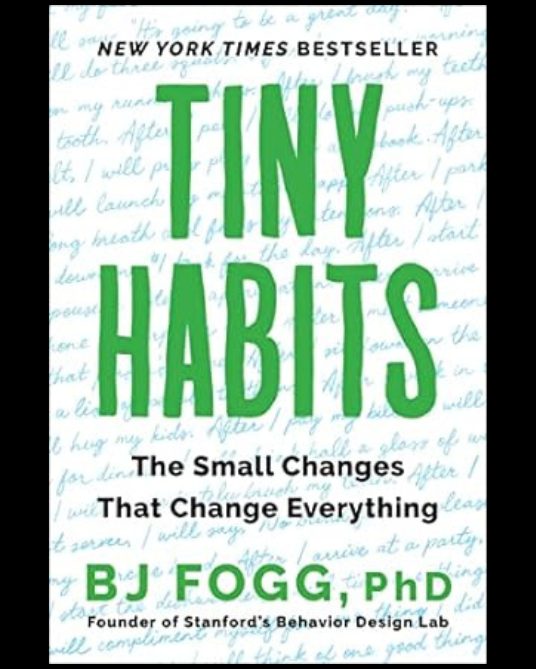
Fogg’s approach is all about starting small—really small. This idea was a breakthrough for me because it made the process of building new habits feel completely doable.
One of the key takeaways that had a big impact on me was the “celebration” step. For example, after completing a tiny habit like taking a deep breath before starting a task, I’d give myself a quick mental high-five. These small moments of acknowledgment made a huge difference in how I felt about my progress and kept me moving forward.
By focusing on tiny, achievable steps, you’ll find that big changes start to happen naturally and with much less effort than you might expect.
Final Thoughts
Procrastination may feel like a stubborn hurdle, but with the right tools and mindset, it’s absolutely something you can overcome.
These ten books have not only helped me kick my procrastination habits to the curb but also empowered me to take control of my time and energy.
Remember, it’s all about finding the approach that works best for you—whether it’s tiny habits, eating that frog, or understanding your unique tendencies.
Start with one book, apply what resonates, and watch as your productivity and confidence soar. You’ve got this!
