
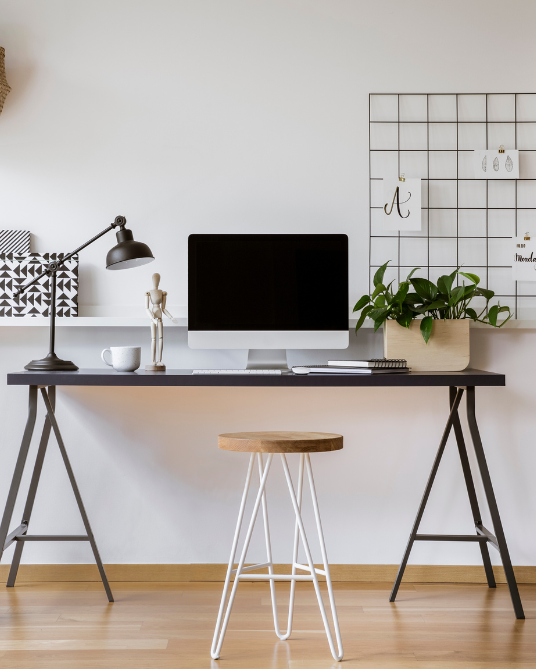
Working from home has shifted from a temporary solution to a daily reality, and the spaces we work in matter more than we often realize.
When you’re spending hours at your desk, your environment quietly influences everything—from your ability to focus to your energy levels and even your overall mood throughout the day.
A cluttered, poorly lit setup can feel draining, while a thoughtfully designed space can make work feel lighter, calmer, and more manageable.
That’s why a home office shouldn’t be treated as an afterthought or reduced to just a desk and a chair.
It’s a lifestyle space—one that supports your routines, protects your focus, and helps you move through your workday with more ease.
When your environment works with you instead of against you, productivity stops feeling forced.
The home office ideas below are designed with that intention in mind.
They’re not about chasing trends or creating something that only looks good in photos—they’re about building a space that helps you work better, feel more grounded, and actually enjoy the hours you spend there.
1. Start With Light (Natural, If You Can)
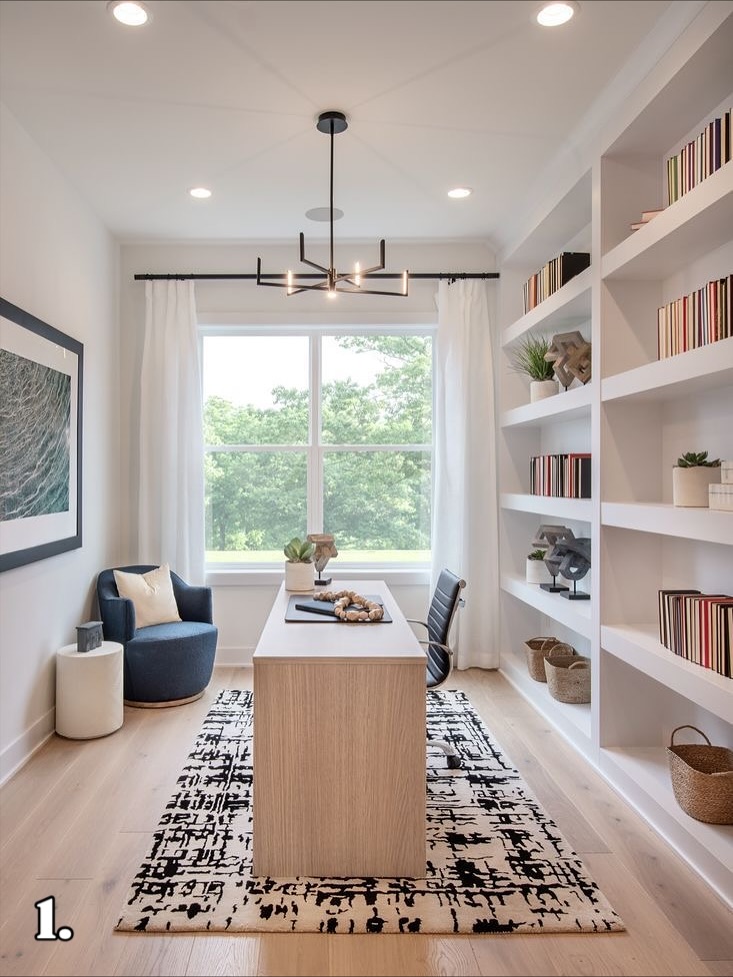
Natural light plays a powerful role in how focused and energized you feel throughout the day, supporting your circadian rhythm and helping you stay alert without relying on a third cup of coffee. If possible, place your desk near a window and position it so daylight comes from the side rather than directly behind or in front of you. For darker spaces, small upgrades make a big difference—layer warm ambient lighting with a focused task lamp, and use mirrors or reflective surfaces to bounce light around the room. The goal is a space that feels awake, not harsh.
2. Choose a Desk That Fits Your Work Style

A beautiful desk doesn’t mean much if it doesn’t support how you actually work. Those perfectly styled “Instagram desks” often lack the surface space or functionality needed for real-life tasks. Consider how much room you need for your laptop, notebook, monitor, or creative tools, and pay attention to height and leg clearance. In some homes, a dining table, slim console, or wall-mounted desk makes more sense than a traditional setup—especially if flexibility and flow matter more than a designated office look.
3. Invest in a Chair You Can Sit In All Day
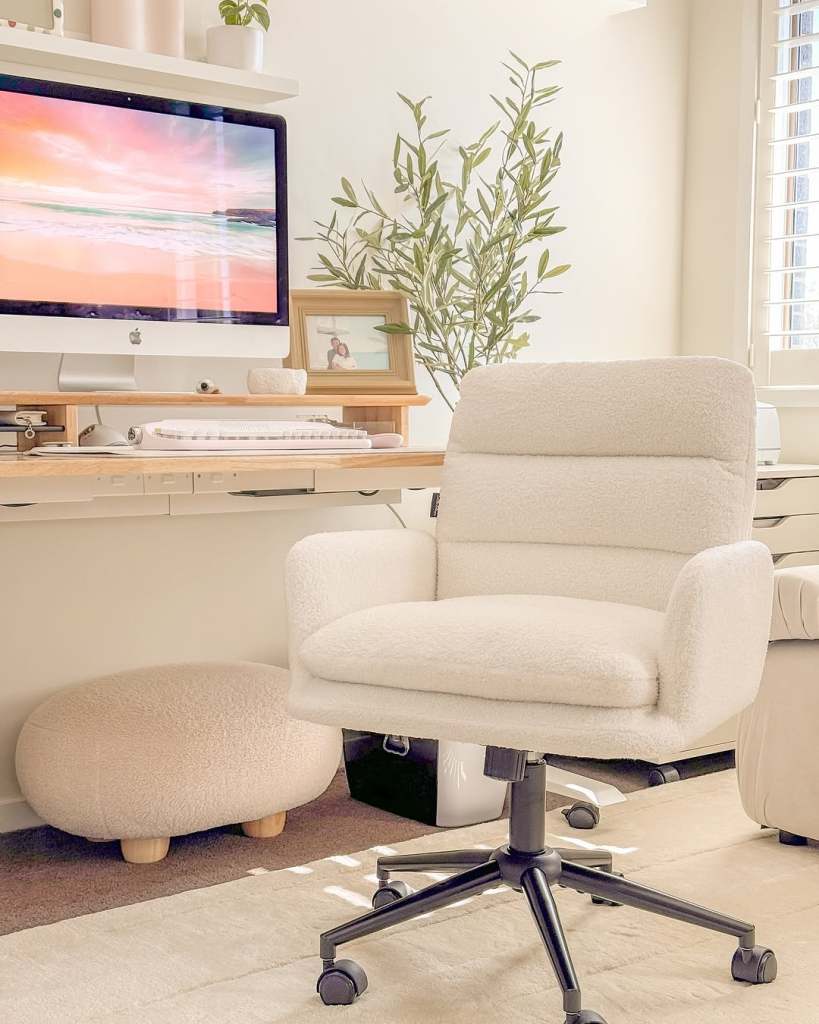
If there’s one place to prioritize comfort, it’s your chair. Sitting for hours in something unsupportive can quietly drain your energy and focus, even if you don’t notice it right away. Look for a chair with proper back support, adjustable height, and a fabric that feels breathable and comfortable over long stretches. Thankfully, there are plenty of options now that blend ergonomics with design—chairs that feel stylish and intentional without looking like they belong in a corporate boardroom.
4. Keep Visual Clutter to a Minimum
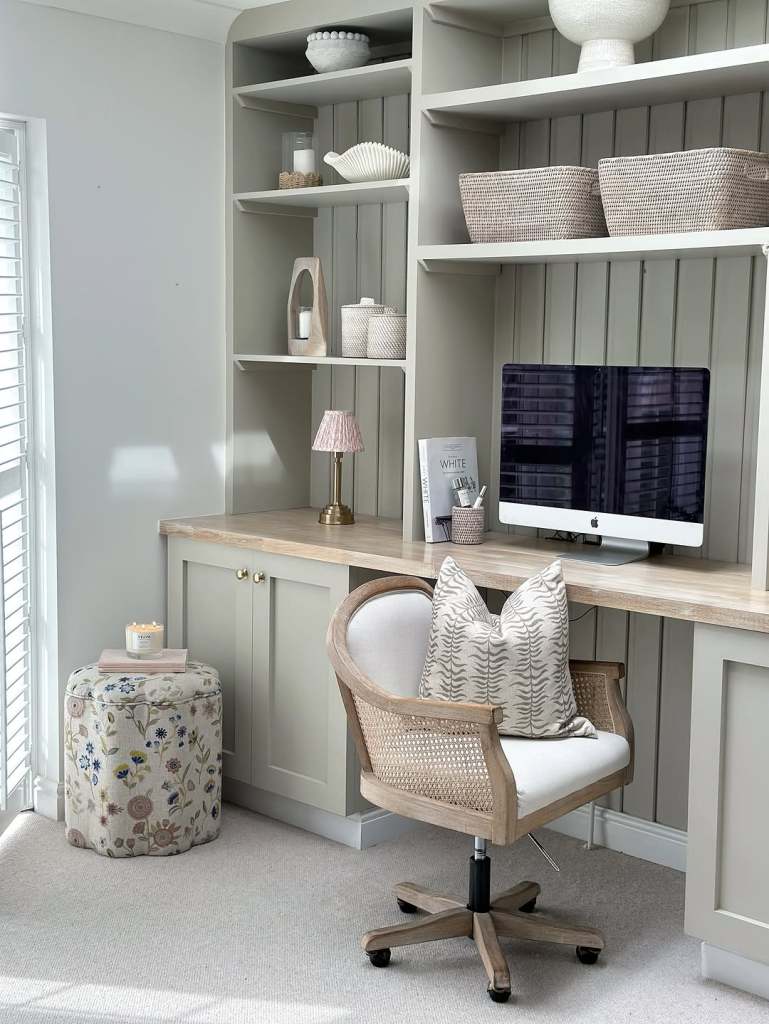
Visual clutter creates mental clutter, and even small amounts of chaos can pull your attention away from the task at hand. Keeping your workspace streamlined helps your brain relax and focus more easily. Opt for storage that feels intentional—drawers, baskets, or closed containers that hide the everyday mess without being inconvenient. A helpful rule of thumb: if you don’t use it daily or love looking at it, it probably doesn’t need to live on your desk.
5. Create Zones (Even in Small Spaces)

Your brain thrives on boundaries, even subtle ones. Creating distinct zones within your home office—such as a work zone, creative zone, or storage area—helps signal what mode you’re in and makes it easier to shift focus. In small spaces or shared rooms, this can be as simple as using a rug, shelf, or lamp to visually define an area. These cues help your mind separate work from the rest of your life, even when everything happens in the same room.
6. Bring in One Grounding Element

A single grounding element can completely change how a space feels. Plants, natural materials, or soft textures help counterbalance the mental intensity of work and bring a sense of calm into your environment. Even one small detail—a leafy plant, a wooden desk accessory, or a linen curtain—can make the space feel more alive and less sterile. The key is choosing something low-maintenance and soothing, not distracting.
7. Make Your Tech Work for You

Technology should support your workflow, not create friction or visual noise. Simple cable management—like cord clips, trays, or concealed outlets—instantly makes a space feel calmer. Elevating everyday tech with laptop stands, wireless accessories, or hidden storage improves both ergonomics and aesthetics. When your tools are easy to access and easy on the eyes, you spend less time adjusting and more time actually working.
8. Personalize—But With Intention

Personal touches are what make a home office feel like yours, but too many can quickly turn into clutter. Meaningful personalization is about choosing items that inspire calm, motivation, or creativity—art you love, a photo that grounds you, or an object tied to a memory. A quick edit test helps: if something doesn’t add energy or meaning to your workday, consider moving it elsewhere. Less, but better, goes a long way.
9. Pay Attention to Sound and Sensory Details
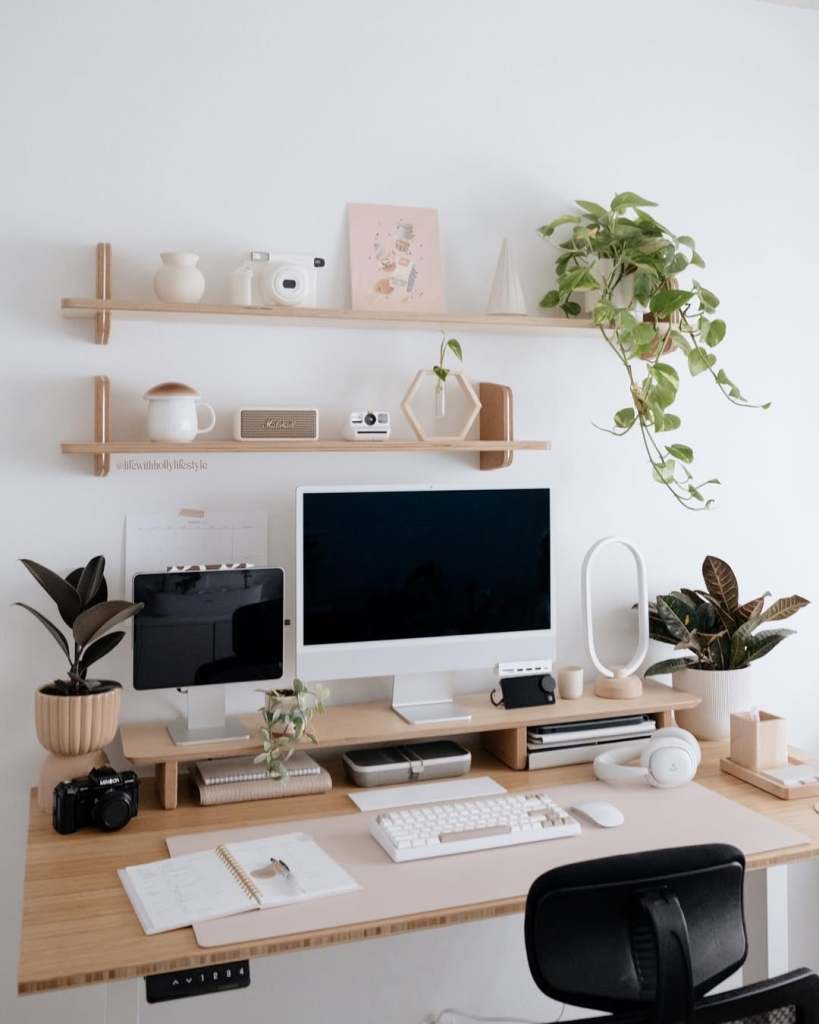
Focus isn’t just visual—it’s sensory. Noise levels, textures, and even scent play a role in how well you concentrate. Soft furnishings like rugs or curtains can absorb sound, while white noise or calming playlists help block distractions. Adding a subtle scent through a candle or diffuser can also signal “work mode” in a gentle way. These small sensory details create an environment that feels supportive rather than overstimulating.
10. Build in a Simple End-of-Day Reset

Better workdays don’t start in the morning—they start the night before. A simple five-minute reset at the end of the day, like clearing your desk, resetting your chair, or closing your laptop with intention, helps your space feel fresh and ready for tomorrow. This small ritual creates a mental boundary between work and rest, making it easier to focus when you sit down again the next day. Over time, it’s one of the simplest habits that delivers the biggest payoff.
Final Thoughts
The best home office ideas aren’t about perfection or keeping up with trends—they’re about creating a space that supports how you want to feel while you work. Whether that means calmer mornings, deeper focus, or a little more ease in your daily routine, your environment plays a quiet but powerful role in shaping your workday experience.
The good news is that meaningful change doesn’t require a full redesign. Small, thoughtful updates—adjusting your lighting, editing what’s on your desk, or adding one grounding element—can shift the entire energy of your space. When your home office is designed with intention, it starts working with you instead of demanding more from you.
At the end of the day, a well-designed home office is one that supports your energy, focus, and natural rhythm—every single day you show up to work.
