
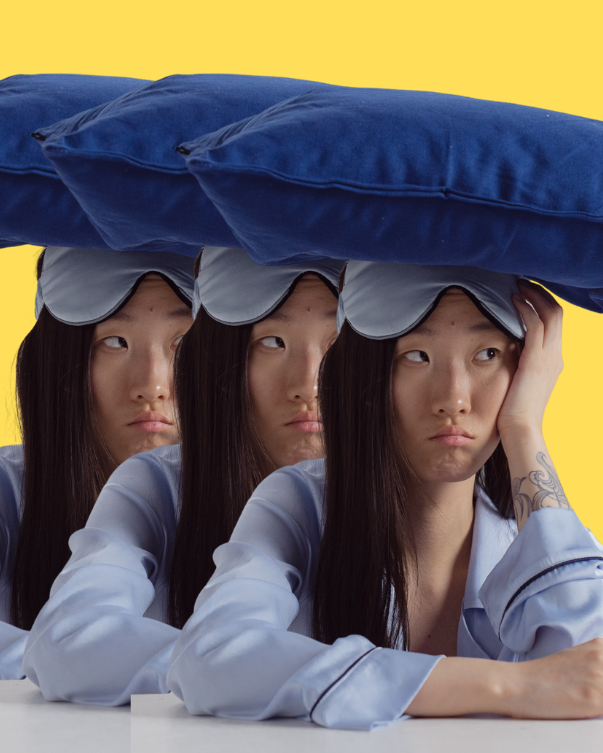
You know the drill. You’re exhausted all day, mentally counting down to the moment you can finally crawl into bed. But when that moment actually comes? Suddenly, your brain is replaying that awkward text you sent in 2018, wondering if oat milk really messes with hormones, and reminding you to figure out your entire five-year plan—immediately.
We’ve all been there. Sleep is supposed to be the one thing that resets us, recharges us, and keeps everything else (skin, mood, energy, metabolism—you name it) running smoothly. But for a lot of us, it’s become more of a nightly battle than a natural rhythm. And no, it’s not just you. According to studies, nearly one in three adults struggles with sleep at least a few nights a week.
The truth is, getting good sleep isn’t about being perfect or completely overhauling your nighttime routine with 15-step rituals and $400 gadgets. It’s about understanding why you’re not sleeping in the first place—and making real, doable changes that feel aligned with your life (and let’s be honest, your aesthetic).
Ahead, we’re breaking down what’s really keeping you up at night—and what to actually do about it. From low-lift lifestyle tweaks to dreamy sleep products that feel as good as they look, this is your new go-to guide for falling (and staying) asleep without the stress.
The Real Reasons You’re Not Falling Asleep
there’s no single villain when it comes to bad sleep. It’s more like a group project where everything is low-key sabotaging you. And before you start blaming your mattress or your genetics, let’s break down what’s actually going on.
Blue Light + Doomscrolling
TikTok is not a lullaby.
We know, it starts with “just one more scroll” and ends with you deep in a rabbit hole of candle-making tutorials and oddly satisfying power-washing videos. Blue light messes with melatonin production, which means your brain thinks it’s still daytime. Combine that with hyper-stimulating content (aka your ex’s new girlfriend’s vacation reel), and your nervous system is basically saying, “Sleep? Never met her.”
Stress + Racing Thoughts
The to-do list won’t solve itself at midnight.
There’s something about lying in the dark that makes your brain think it’s a great time to revisit that email you forgot to send—or what you said in a meeting three months ago. If your mind feels like a browser with 27 open tabs, stress is likely the culprit. Cortisol (your stress hormone) can spike at night if you haven’t given it a chance to chill during the day, leaving you wired when you’re trying to wind down.
Hormonal Shifts
Especially for women in their 20s–40s, hormones are not neutral players.
Your sleep cycle is closely linked to hormones like cortisol, estrogen, and melatonin—and when those fluctuate (hello, periods, birth control, perimenopause, or general life stress), your sleep suffers. It’s not dramatic. It’s literally biology. If you feel like your body has its own agenda lately, you’re not imagining things.
Your Environment Is… Meh
Bad lighting, chaotic bedding, leftover coffee energy—yeah, that matters.
Sleep hygiene isn’t just a wellness buzzword. If your room feels more like a workspace, laundry zone, or leftover espresso den, your brain isn’t going to register it as a sleep sanctuary. Your space should feel like a gentle exhale—soft lighting, cozy textures, and zero clutter (or at least, vibes over chaos).
Sleep Myths You Still Believe
“If I’m tired, I’ll just fall asleep when I hit the pillow.” Nope.
Being tired doesn’t mean you’re primed for great sleep. In fact, being overtired can make it harder to wind down. Your body needs cues and rituals—same as when you brush your teeth before bed or take off your bra the second you get home. Sleep isn’t a switch; it’s a slow fade. And if you’re still chasing that instant-off kind of night? It might be time to let that myth go.
The Sleep-Anti-Routine You Need Tonight
Most of us don’t have the time (or mental capacity) to do a full-on nighttime routine that involves dry brushing, journaling, moon water, and a 10-minute gua sha session. If that’s your thing, amazing. But if your idea of a night routine is collapsing onto your sheets and hoping for the best, this is for you.
1. Create a Cue
Send your brain a gentle “hey, we’re winding down” memo.
Sleep is like a well-trained pet—it responds best to consistent signals. Start by picking one small action you’ll repeat every night. It could be lighting a candle (we love one with lavender or sandalwood), misting your pillow with a calming spray, or simply putting your phone face-down and out of reach. These tiny rituals aren’t just aesthetic—they tell your nervous system it’s safe to let go.
2. Body Before Bed
If your body’s tense, your sleep will be too.
We’re not saying go full yogi here, but moving your body just a little can make a huge difference. Try some gentle stretching, a few minutes of yin yoga, or even a warm shower to drop your core temp and cue melatonin production. Want to level up? A magnesium supplement (like Moon Juice’s Magnesi-Om or a magnesium body lotion) can work wonders for relaxing both muscles and mood.
3. Power Down Mentally
Because your mind doesn’t come with an off switch.
Scrolling isn’t decompressing—no matter how cute those dog videos are. To truly shut down, you need something that shifts your mental state. Think: a quick brain dump in a journal, five minutes of breathwork (we love the 4-7-8 method), or a few chapters of light fiction. Bonus points if it’s nostalgic or low-stakes. This is your official permission slip to reread Twilight for the ninth time. Edward won’t judge.
A Few Sleep Boosters (That Actually Work)
1. Blissy Silk Pillowcase
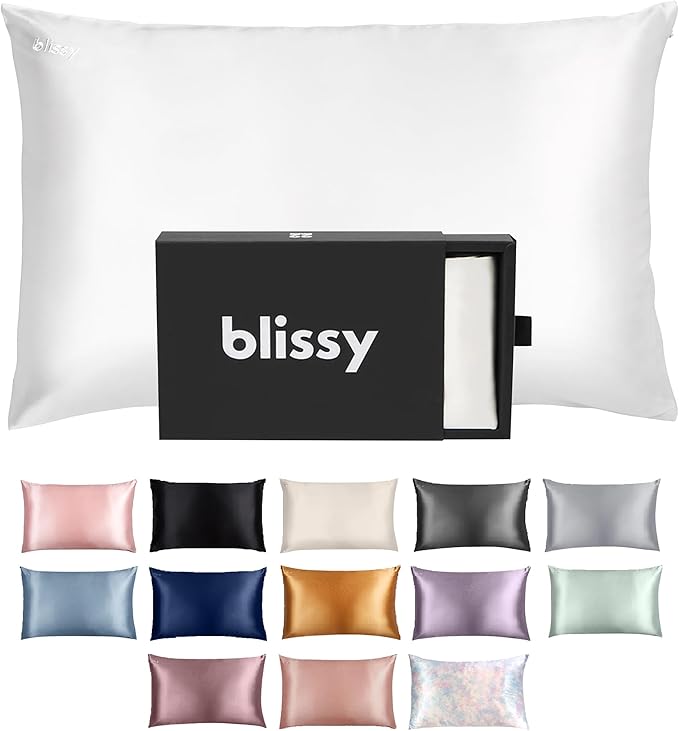
Because nothing says “I prioritize rest and skin health” like sleeping on silk.
Keeps hair smooth, helps with temperature regulation, and feels ultra-luxurious.
2. NEOM Organics Perfect Night’s Sleep Candle
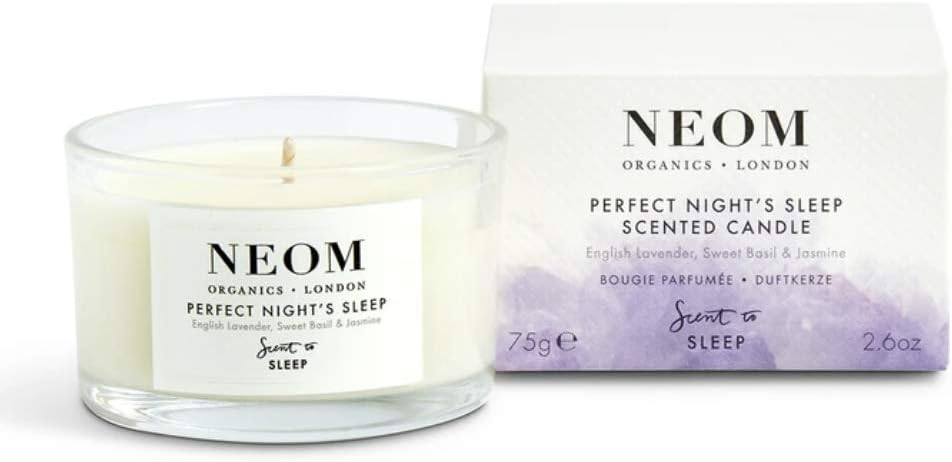
Smells like a spa, but make it bedtime.
A blend of English lavender, sweet basil, and jasmine to help cue your brain it’s time to wind down.
3. Moon Juice Magnesi-Om
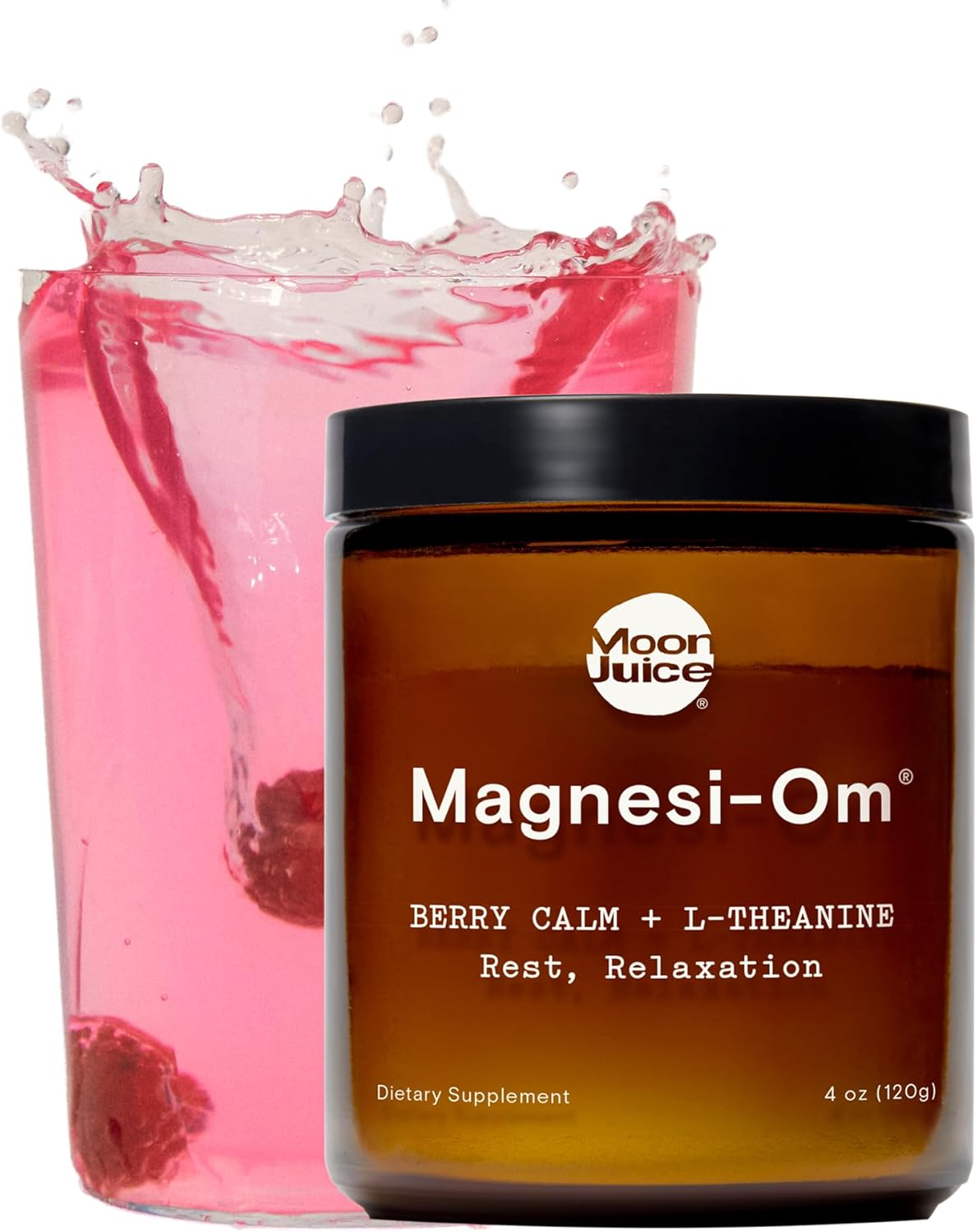
A chic little jar with powerful, science-backed calm.
Magnesium + L-theanine = the dreamy duo you didn’t know you needed.
4. Bose Sleepbuds II

They don’t play music—they play sleep.
Engineered with preloaded relaxing sounds and noise-masking tech. Sleek, subtle, and genius for light sleepers.
5. Lake & Skye 11 11 Candle or Mist (for linens)
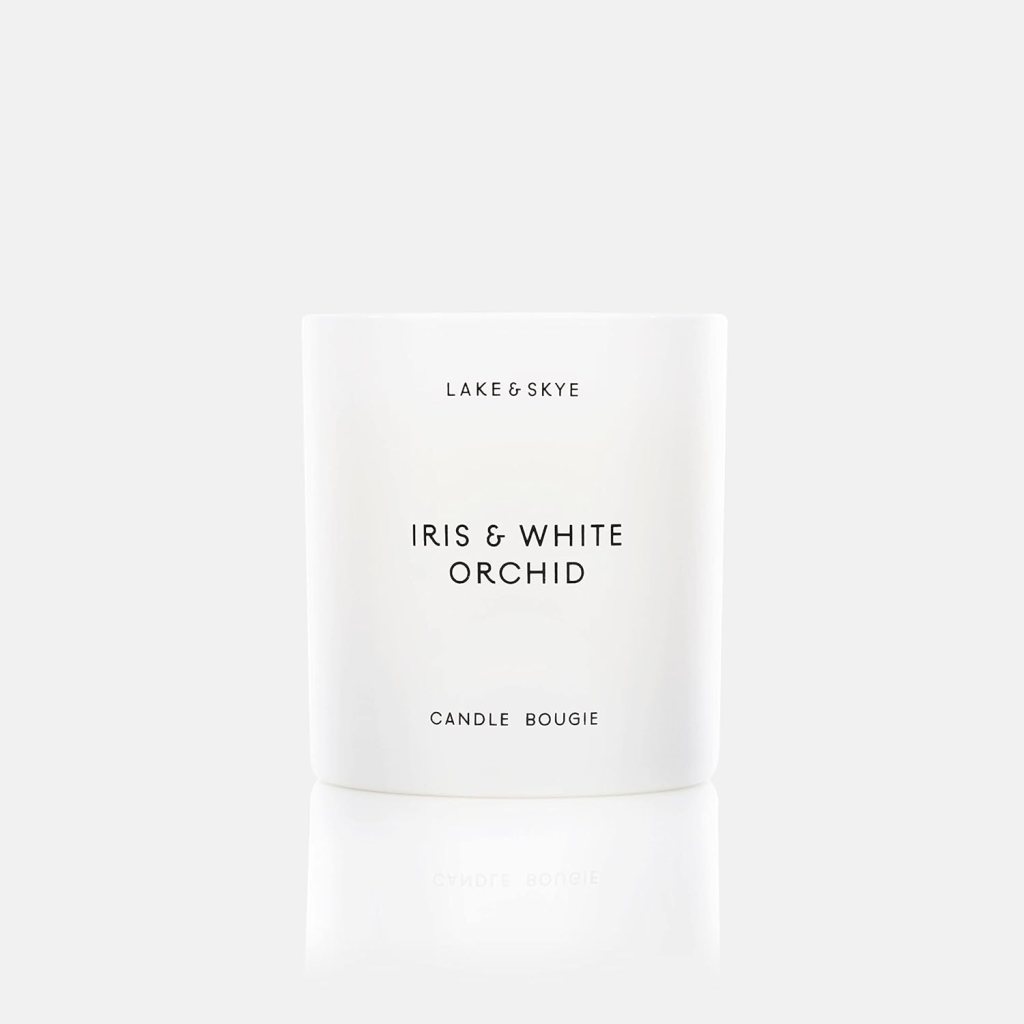
A minimalist’s dream scent—subtle, clean, and calming.
Use it as a final touch on your pillow or pajamas.
6. Casper Glow Light

A soft, warm light that dims over time so you fall asleep with less stimulation.
Tap to glow, twist to dim. No harsh blue light, no jarring alarms—just design-forward function.
7. Hatch Restore 2 Sleep System
Your entire nighttime ritual in one device.
A sunrise alarm, meditations, white noise, and sleep sounds—all with an aesthetic that fits any nightstand.
8. Lunya Washable Silk Sleep Set

For the fashion-forward sleeper.
Sleepwear that feels good and looks luxe. Breathable, thermoregulating, and actually cute.
Final Thoughts
You deserve better than restless nights and groggy mornings. Sleep isn’t something to earn after a productive day—it’s a non-negotiable foundation for everything else. Your mood, your skin, your energy, your focus—it all starts with rest.
You don’t need a full bedroom makeover, a prescription, or a “perfect” routine to sleep better. What you do need is awareness, intention, and a few simple swaps that support your body (and look cute on your nightstand).
So tonight, try the candle. Skip the scroll. Do that one small thing that helps your brain slow down and remember: it’s safe to rest now. No guilt, no shame—just a softer, calmer you waiting on the other side of eight solid hours.
